Skip to field guide
Hallmark / Fire Guide

Hallmark GC briefing · exposed structural shell

Fire / smoke restoration method.

A construction-grade work sequence, hold-point plan and purchasing schedule for a water-mitigation crew taking over an already-gutted fire loss. It assumes experienced supervision; it concentrates on the fire-specific work that must happen before insulation and drywall return.

No soot transfer. No loose char. Wood moisture ≤ 15%.
Hallmark coordination issue v1.2 Links verified August 7, 2026
Exposed framing restoration sequence A house frame transitions from soot-darkened wood on the left, to clean wood in the center, to white sealed wood on the right. REMOVE CLEAN + DRY SEAL
Project / claim
Address
Hallmark superintendent
Issue / approval date
Preconstruction briefing

Scope the fire loss before mobilizing.

This is a field method and purchasing basis, not a substitute for a project-specific protocol. Confirm the fire source, affected boundaries, structural disposition, regulated-material status, insurer documentation requirements and authority having jurisdiction before production work.

Included work

  • Containment and HEPA air control
  • Mechanical removal of loose char and carbon from sound members
  • Detailed HEPA vacuuming and controlled wet cleaning
  • Drying, moisture documentation and smoke-odor sealing
  • Photographic and product closeout package

Separate scope

  • Engineering and structural repair design
  • Electrical, gas, HVAC and plumbing clearance
  • Lead, asbestos or other regulated-material assessment
  • Contents, duct-system and appliance restoration
  • Specialty media blasting unless approved by test patch

Fire-specific production rules

  • Collect dry particulate before introducing liquid; premature wetting can smear or drive residues into porous wood.
  • Do not use a coating to decide whether charred framing is structurally acceptable.
  • Odor control is source removal, cleaning, drying and only then sealing—not fragrance.
  • Keep HEPA dry collection separate from wet recovery.

Mandatory hold points

HoldRelease conditionRecord
H1 · STRUCTUREQuestionable members dispositioned; no disputed condition will be erased by cleaning.Marked plan, photographs, engineer/AHJ note where required
H2 · CLEANNo loose char or visible particulate; dry and wet cleaning acceptance tests pass.Test-patch and white-towel wipe records by elevation
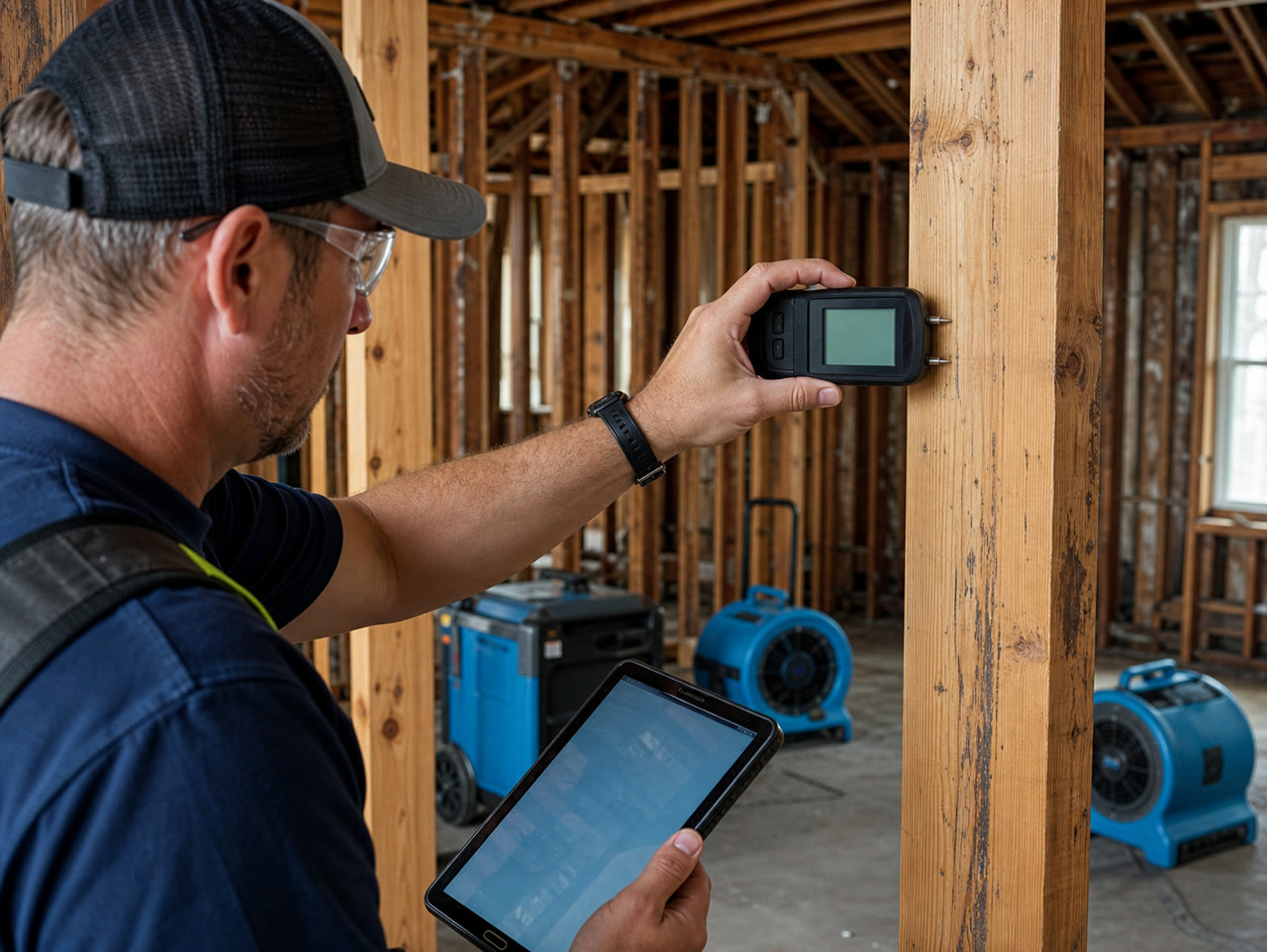
H3 · DRYRepresentative framing readings are 15% or lower and no condensation is present.Pin-meter log with member/location/date
H4 · PRE-COATAdjuster/owner/inspector has the requested opportunity to view clean wood before concealment.Written release or documented notice/inspection
H5 · REBUILDContinuous coating, final odor/visual acceptance and complete closeout package.Final photographs, lots, gallons, coats and approval

Substitution rule

The product schedule below is one compatible baseline system. Do not substitute by price or shelf availability alone. Submit the proposed cleaner/sealer PDS and SDS, confirm substrate compatibility and coverage, and approve a test patch before full production.

Crew method statement

Eight operations. Five hold points.

Run one representative test area through dry removal, wet cleaning, drying and coating before committing the whole structure. Each operation has a pass condition. If it fails, repeat or escalate that stage; do not advance the deficiency into concealment.

0 of 8 operations complete
01
H1 · Structural/documentation release

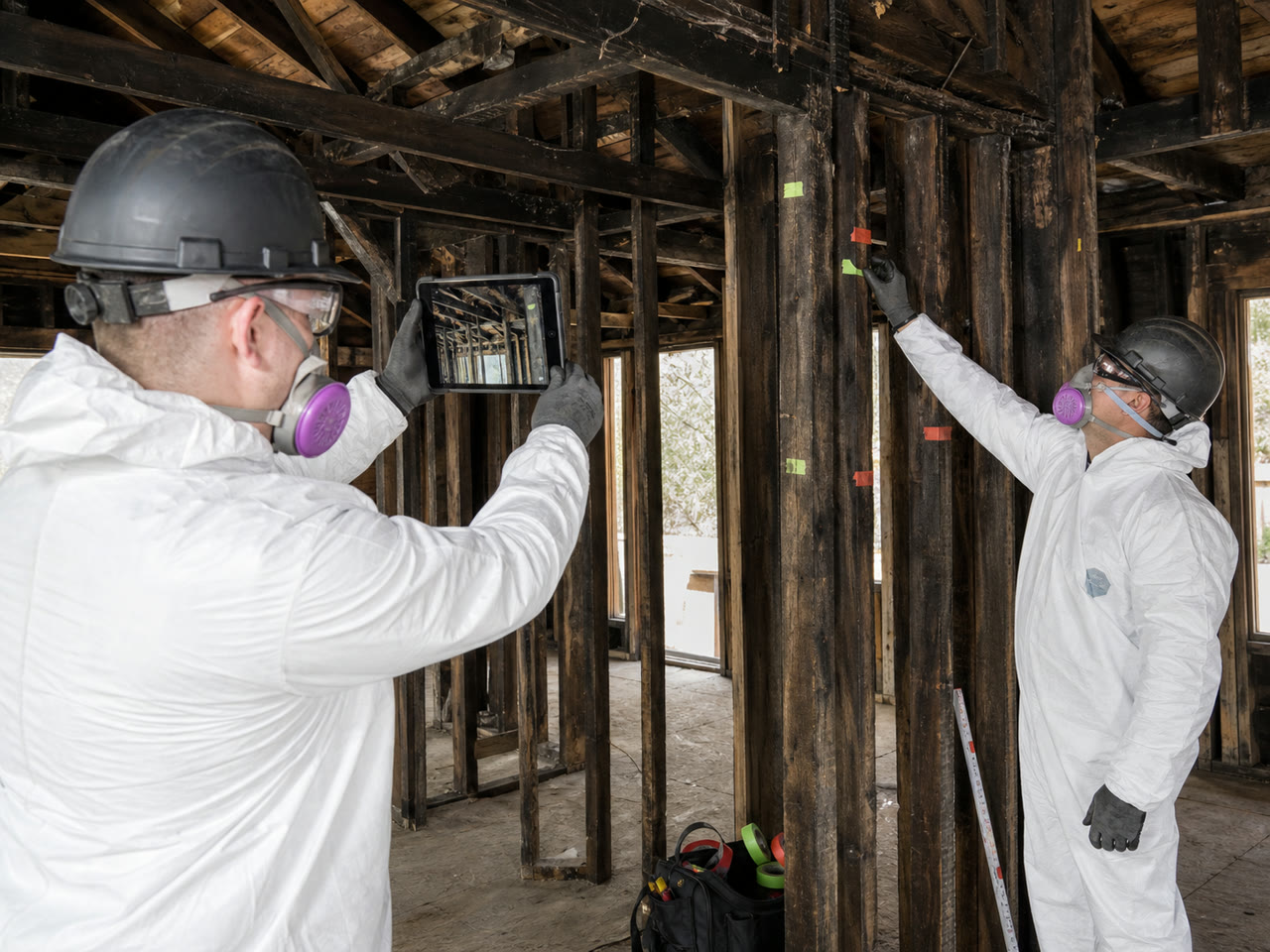
Inspect, photograph and mark the frame

Walk every elevation before cleaning changes the evidence. Photograph wide views and close-ups, then mark members by condition.

  • Replace/repair: soft, cracked, warped, deeply charred or structurally questionable.
  • Abrade: sound members with attached char or heavy carbon.
  • Clean: sound members carrying soot film or odor but no structural damage.
  • Record any remaining suspect flooring, duct wrap, roofing, textured coating or other possible regulated material before disturbing it.
Pass: The repair scope is marked, disputed areas are documented, and the appropriate inspector has released cleaning work.
Restoration superintendent photographs soot-darkened exposed framing while a second worker marks members for repair, abrasion, or cleaning
Generated example · Document and mark before changing the surface
02
Control check · Work zone established

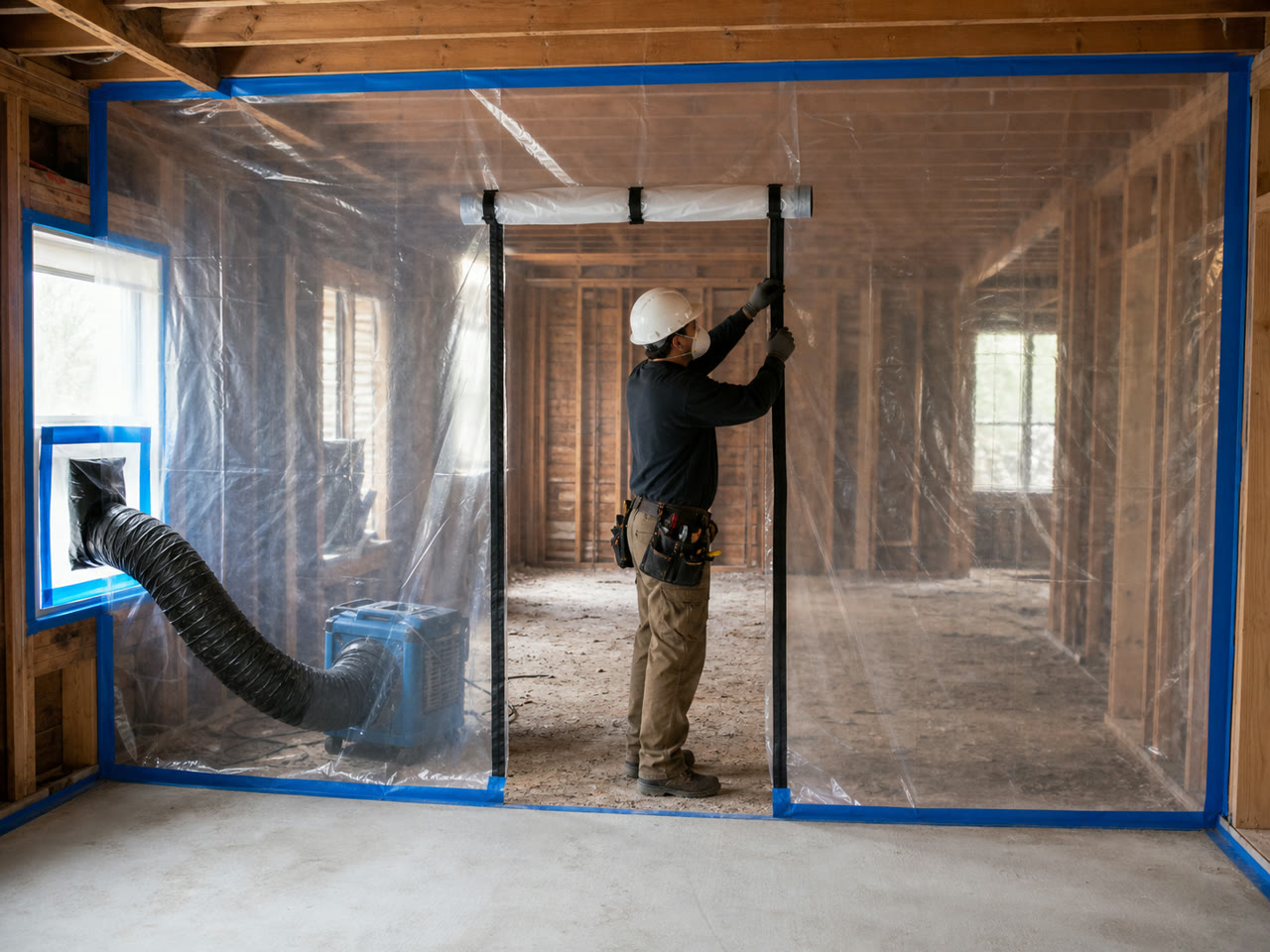
Contain and establish HEPA negative air

Separate the work zone from clean storage and occupied areas. Run commercial HEPA air scrubbers during all dust-producing work; add the manufacturer-matched activated-carbon stage for smoke odor and gaseous compounds.

  • Turn the HVAC system off and isolate openings that could redistribute contamination.
  • Exhaust outdoors when the setup and local requirements allow it; do not exhaust toward people, intakes or neighboring openings.
  • Change inexpensive prefilters before they load enough to reduce airflow.
Pass: Air flows from the clean side into the work zone, and the scrubber/filter configuration matches its manual.
Worker installs two straight vertical zippers and a roll-up flap in a sealed clear-poly containment wall while a blue HEPA negative-air machine exhausts through a sealed exterior window
Generated example · Two straight zippers, sealed poly and exterior exhaust
03
H1 / H2 · Sound wood exposed

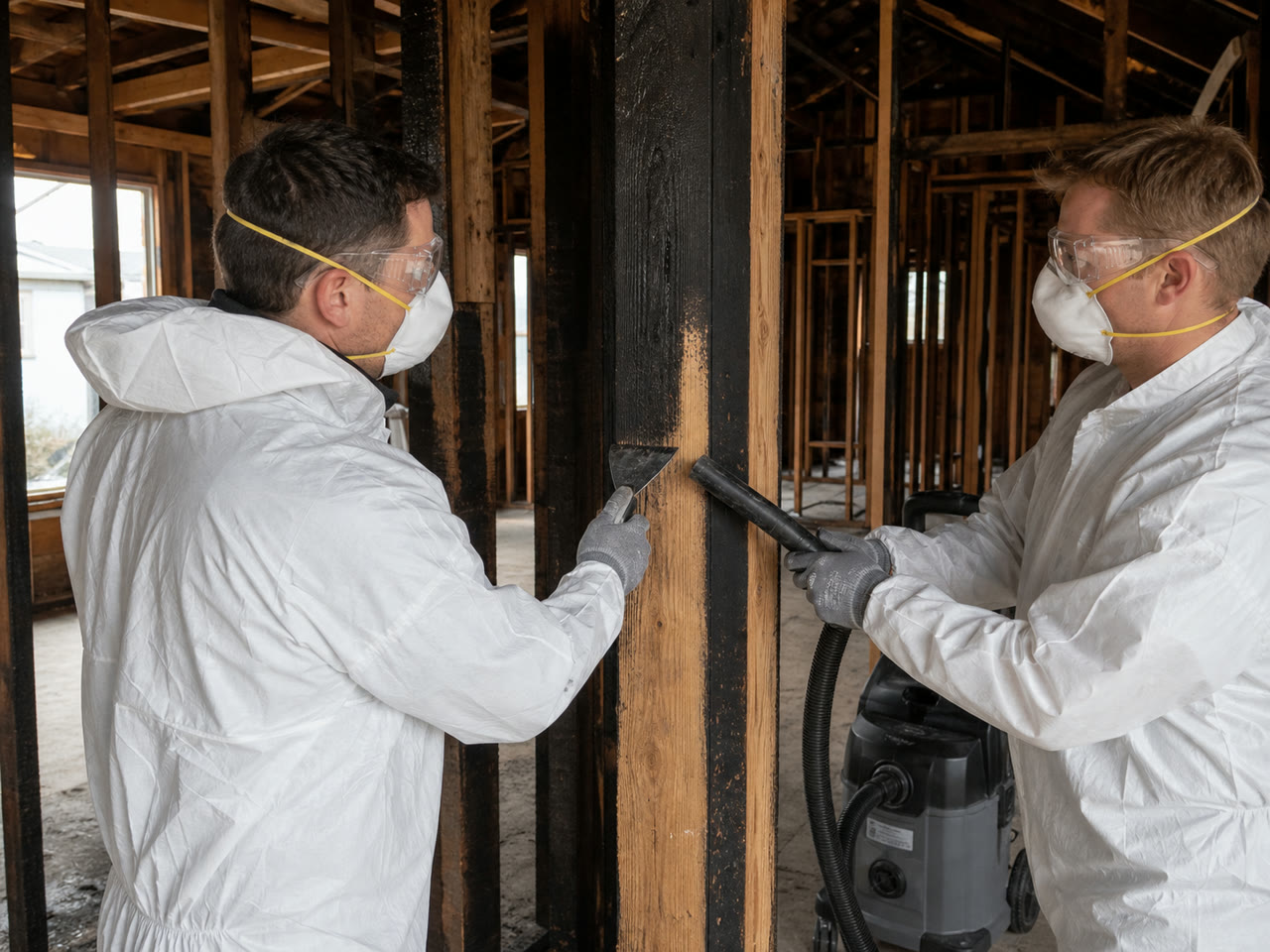
Remove attached char and heavy carbon

Use the least aggressive method that reaches clear, sound wood. Start with a test patch reviewed by the person responsible for the scope.

  • Hand-scrape localized deposits; use shrouded abrasion with HEPA source capture where practical.
  • For widespread blackened framing, price a professional media-blasting test patch rather than purchasing an unknown blast system.
  • Do not use uncontained compressed air or a leaf blower to redistribute soot.
  • Do not grind away measurable structural section without the engineer's direction.
Pass: No loose or flaky char remains; the exposed wood is firm and the structural repair list is closed or clearly segregated.
Two protected restoration workers scrape shallow surface char from a sound stud while holding a HEPA vacuum nozzle beside the work
Generated example · Scrape shallow char while collecting debris at the source
04
H2 · Loose particulate removed

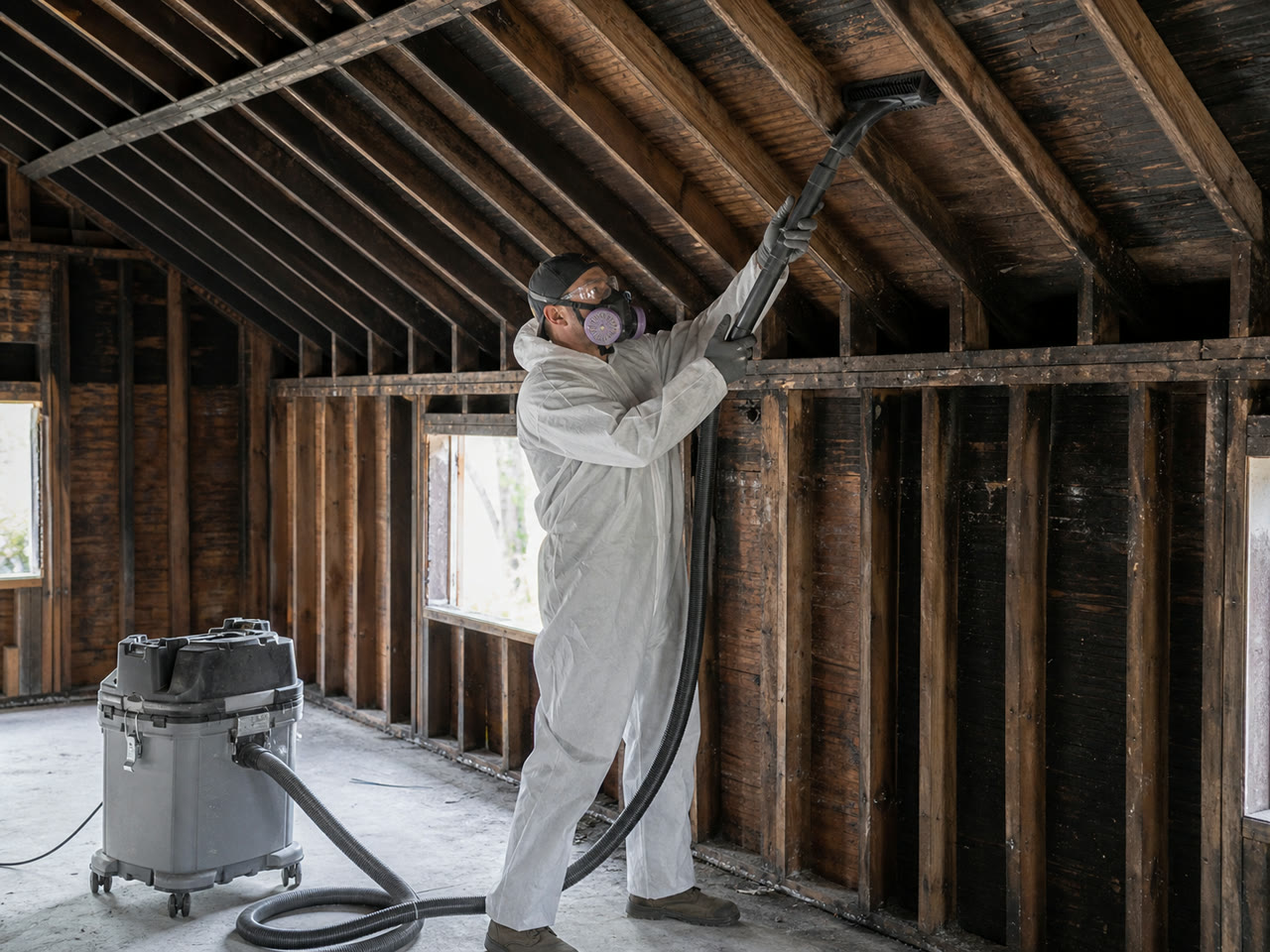
HEPA-vacuum every accessible surface

Work high to low: roof deck and rafters, wall plates and studs, joists, subfloor and the floor of the work zone.

  • Vacuum faces, end grain, fastener pockets, drilled holes, ledges and corners.
  • Use a sealed vacuum designed and tested as a HEPA system—not a normal shop vacuum with a replacement filter.
  • Keep dry collection separate from the wet-recovery vacuum used later.
  • Dry soot sponges are optional for smooth metal or finished details; rough framing will tear and load them quickly.
Pass: No visible loose dust, ash or media remains when surfaces are viewed under raking light.
Restoration worker uses a sealed HEPA vacuum and brush nozzle to clean soot from rafters and roof sheathing from high to low
Generated example · Detailed dry HEPA collection from high to low
05
H2 · No adhered soot transfer

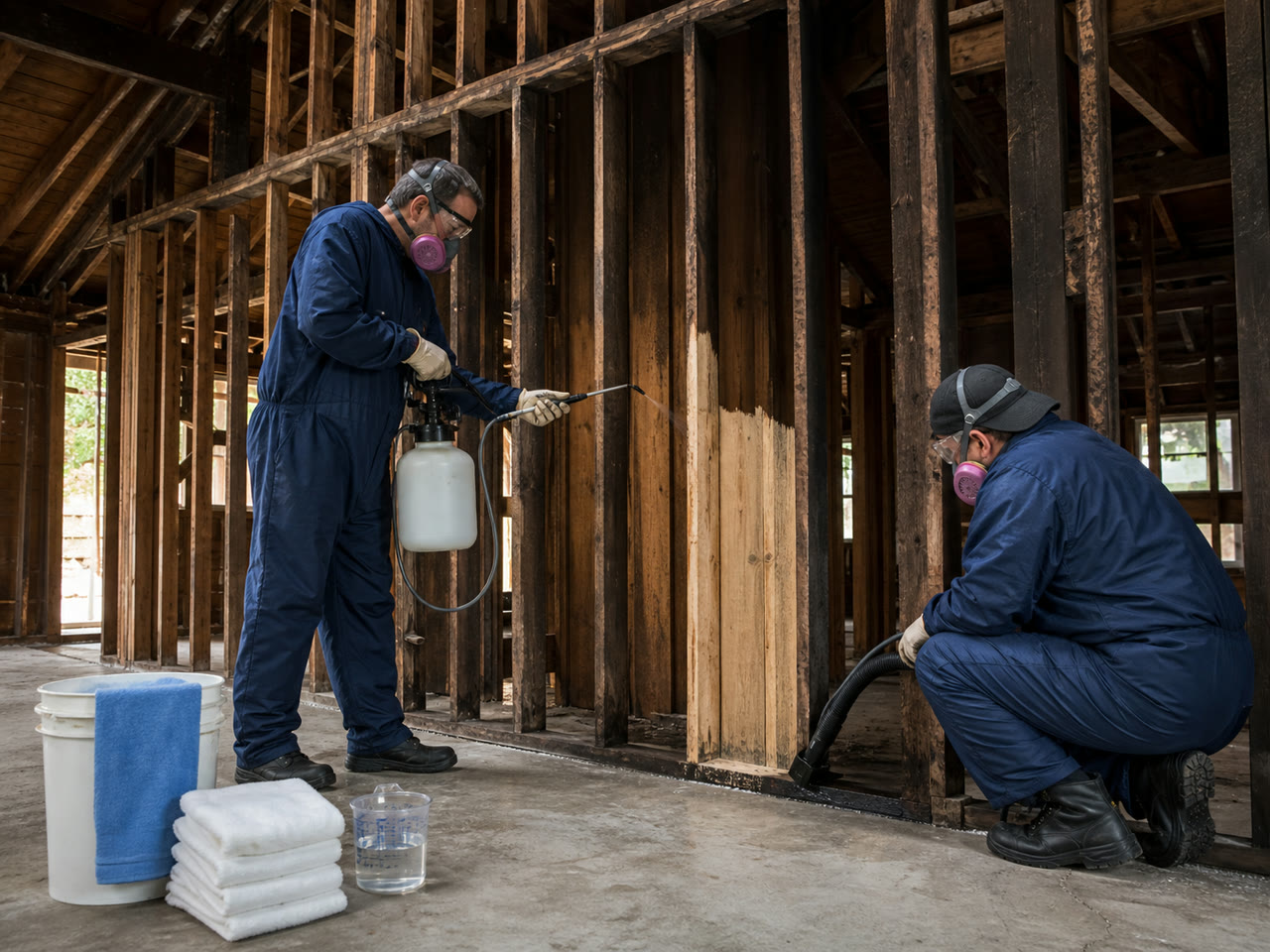
Wet-clean the remaining soot film

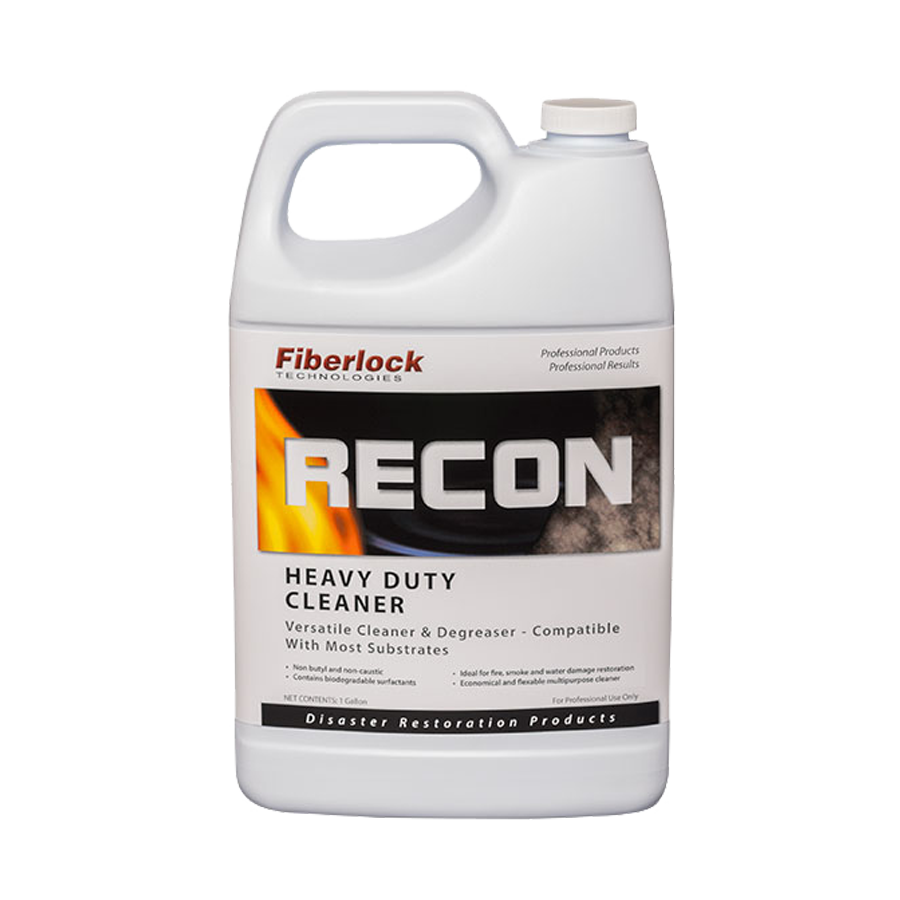
Use a fresh, labeled restoration cleaner after a test patch. RECON Heavy Duty Cleaner's product sheet lists 1:16 for soot and carbon and 6–8 fl oz per gallon for heavy-duty cleaning. Follow the delivered container label if it differs.

  • Apply a controlled amount; do not flood cavities or saturate lumber.
  • Allow a short dwell of a few minutes without letting solution dry on the wood.
  • Agitate with nylon brushes, recover the dirty solution, rinse thoroughly with clean water, and recover again.
  • Change towels and solution frequently. Never mix this cleaner with bleach, ammonia, acids or any other product.
Pass: A clean white towel no longer picks up visible brown or black residue after the surface dries.
Two restoration workers lightly apply cleaner to exposed studs and recover rinse water at the sill with a separate wet vacuum
Generated example · Controlled application, agitation and immediate recovery
06
H3 · ≤ 15% framing moisture

Dry and measure—do not guess

Use dehumidification and controlled air movement until representative readings meet the coating requirement. Take pin readings at lower plates, joist ends, roof framing, shaded pockets and any area that received more wash water.

  • Record the date, location and percentage for each reading.
  • Measure more than the easiest, driest board.
  • Do not coat when the wood exceeds 15%, when condensation is present, or when drying conditions are poor.
Pass: Representative wood readings are 15% or lower and the surface is clean, dry and sound.
Supervisor takes a direct pin moisture reading from cleaned exposed framing while air movers and dehumidifiers operate
Generated example · Pins visibly seated in representative framing locations
07
H4 · Pre-coat release

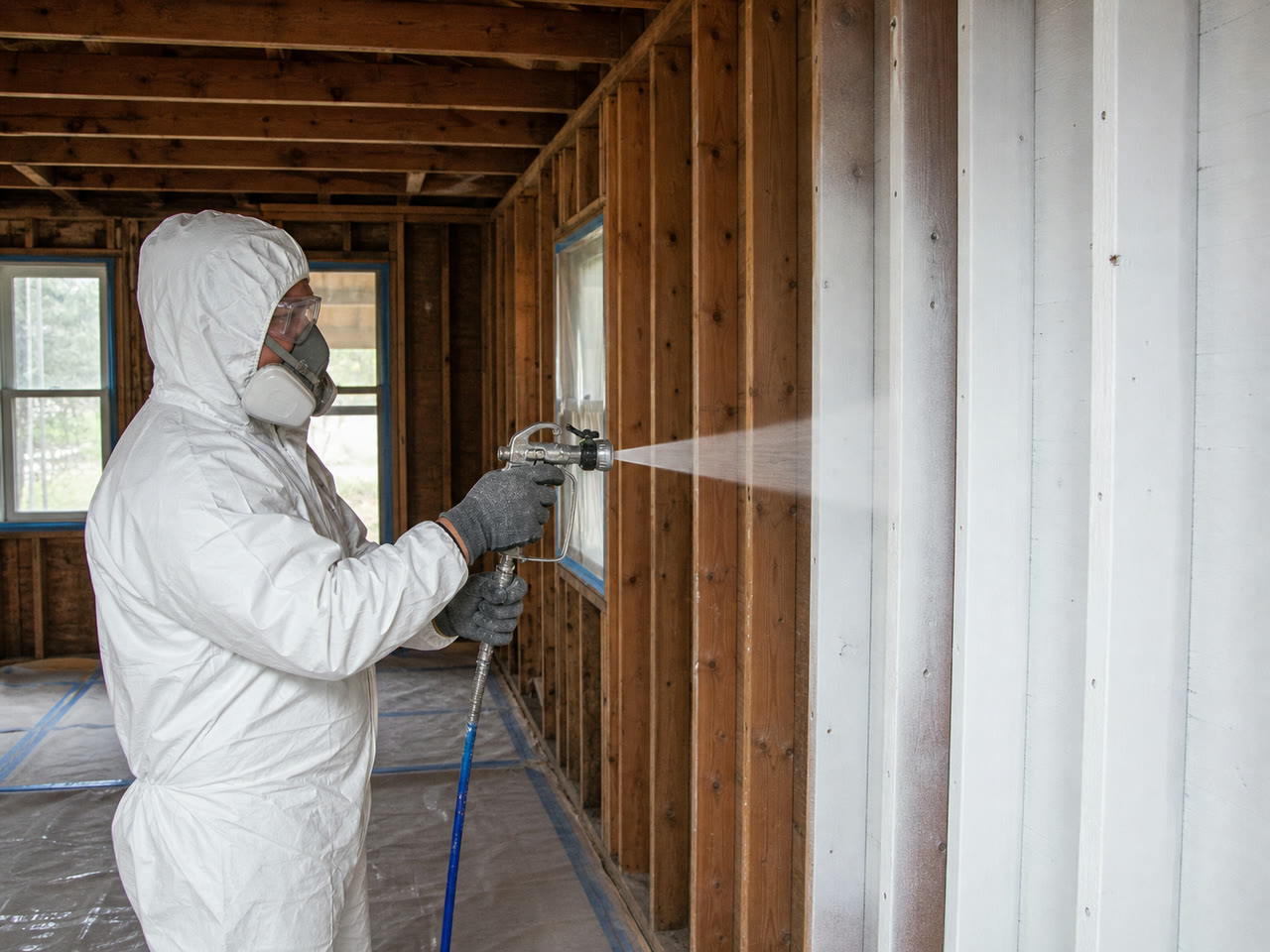
Apply ULTRA RECON to clean, dry framing

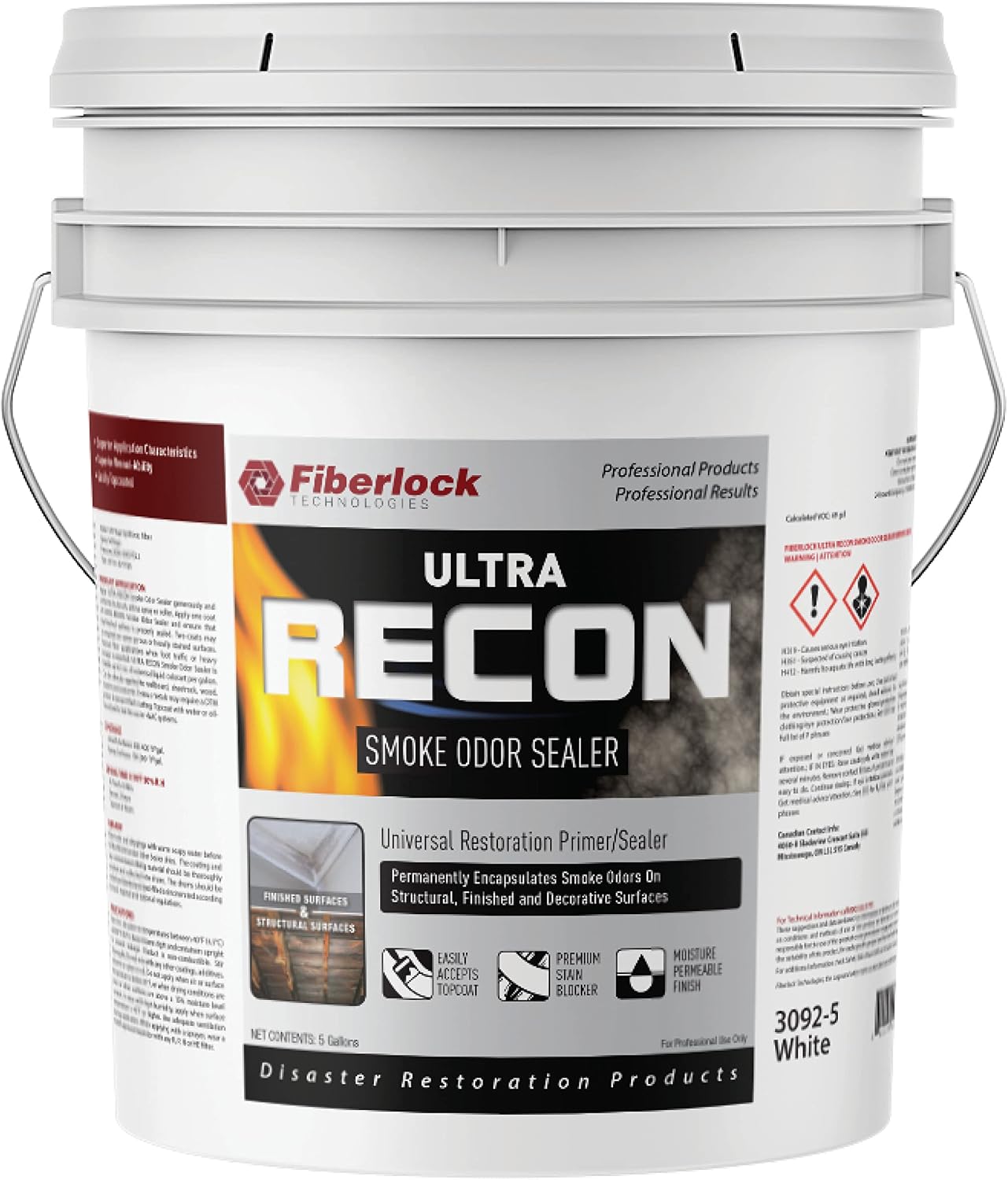
Obtain any required adjuster, engineer or building-official inspection before white coating obscures the wood. Then apply ULTRA RECON 3092 White as a uniform final odor/stain barrier.

  • Stir thoroughly. Do not thin or mix with other coatings, additives or solvents.
  • Minimum air and surface temperature: 45°F. Wood moisture: no more than 15%.
  • Brush: synthetic. Roller: 3/8-inch synthetic nap. Airless: 2,000–3,000 PSI with a .015–.021 tip.
  • Apply one generous, uniform coat. Use a second coat on porous or heavily stained areas when the first coat does not fully seal the surface.
  • At 70°F and 50% RH: approximately 30 minutes to touch and 2 hours to recoat/topcoat; cooler or more humid conditions extend drying.
Pass: Coverage is continuous with no holidays, thin spots, uncoated end grain or visible residue trapped in the film.
Protected spray operator applies a flat fan of white smoke-odor sealer to clean dry exposed studs with an airless sprayer
Generated example · Uniform sealer after cleaning, drying and pre-coat release
08
H5 · Reconstruction release

Verify, document and release reconstruction

After ventilation and full drying, inspect the complete shell before insulation or drywall returns.

  • Walk every elevation with bright raking light; photograph overall coverage and details.
  • Record final odor observations, wipe-test results, moisture readings, product lot numbers, gallons used and application dates.
  • Retain receipts, labels, PDS/SDS documents, disposal records and subcontractor reports.
  • Have HVAC components separately cleaned, replaced or released before operation.
Pass: No visible residue, no smoke odor after ventilation, continuous coating coverage, records complete, and required stakeholders release reconstruction.
Superintendent and project representative inspect and photograph uniformly white-sealed exposed framing under bright raking lights before reconstruction
Generated example · Final coverage inspection and documentation before concealment
System stage 1

Clean

RECON Heavy Duty Cleaner removes adhered soot and acidic films after dry source removal.

System stage 2 · conditional

Deodorize

Use a fresh counteractant only when odor remains after cleaning and the written scope calls for it.

System stage 3

Seal

ULTRA RECON goes only onto clean, dry, sound framing as the final residual-odor barrier.

Baseline procurement schedule

One documented system. Approved equals only.

Every purchase button opens the exact product-detail page verified for the stated model or manufacturer SKU. Product instructions below were checked against the linked manufacturer sheet or manual. Confirm the delivered label and revision before use.

Core chemicals

These are the two chemical purchases for the basic exposed-framing system.

MeasureAccessible framing surface area
÷
Conservative porous rate100 ft² per gallon per coat
+
Allowance10–15% spray and surface loss

Air and particulate control

Run filtration during scraping, abrasion, HEPA cleaning and spraying. Buy replacement filters with the machines.

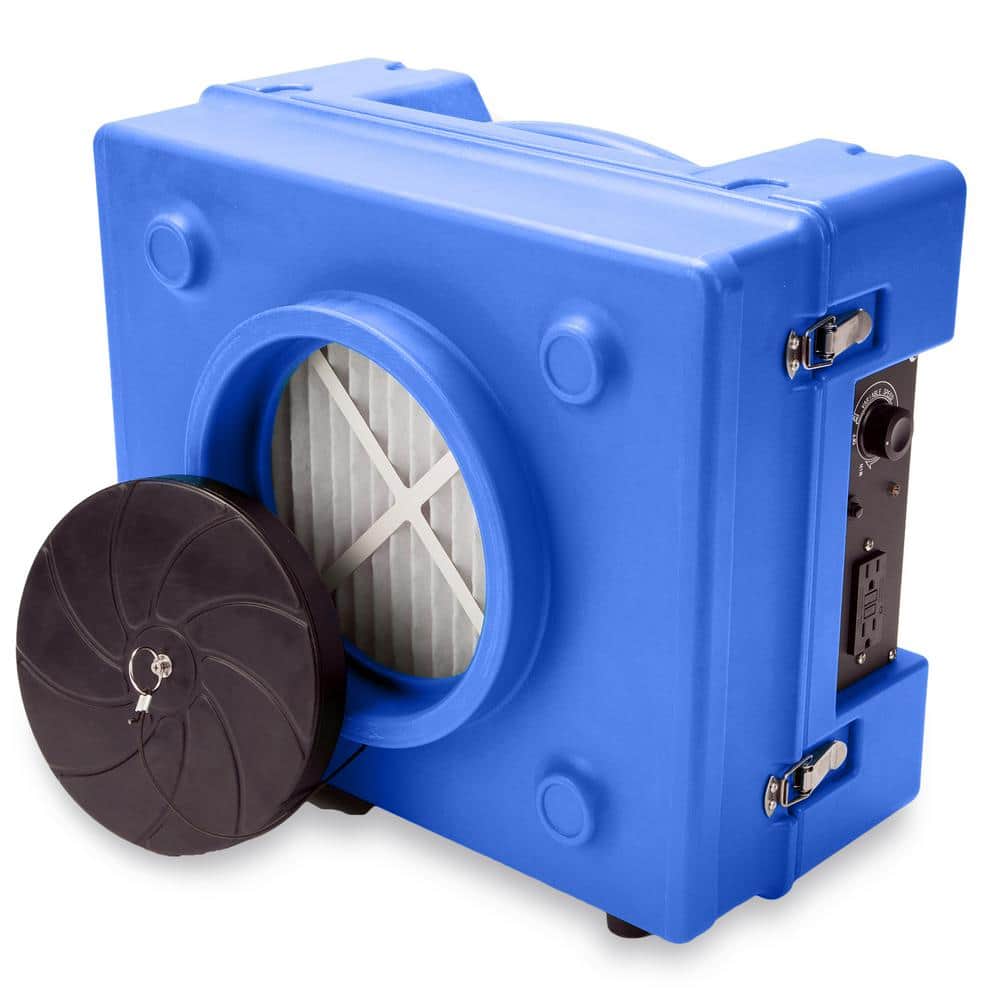
Blue B-Air RA-650 commercial HEPA air scrubber
Core · airborne particles

B-Air RA-650 HEPA air scrubber

BA-RA-650-BL · up to 500 CFM

Commercial variable-speed negative-air machine with prefilter and HEPA stage. Add its matched carbon filter for smoke odor/VOCs.

Field instructionOperate level and dry on a grounded/GFCI-protected circuit with intake and exhaust unobstructed. Duct or position to pull air from clean toward dirty without short-circuiting containment. Wear NIOSH-compliant PPE for filter changes; change filters after each remediation job and when the indicator calls for it.
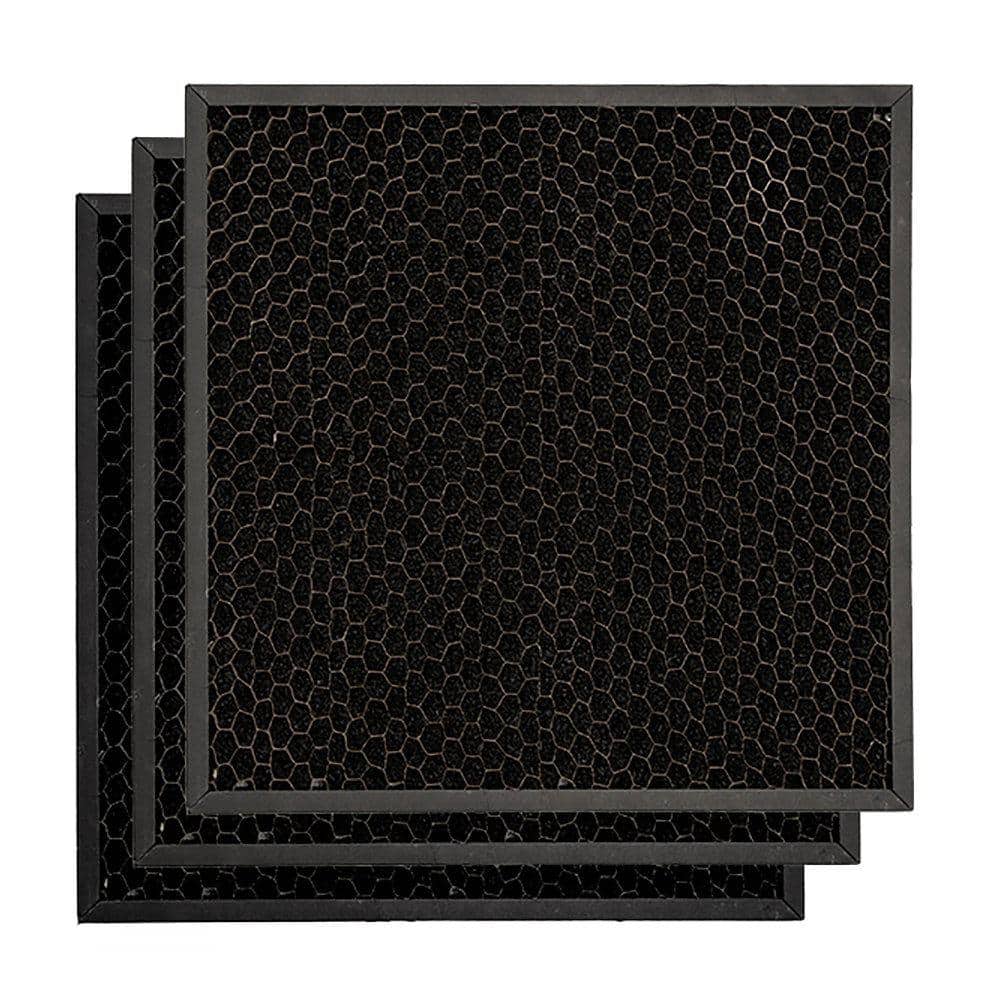
Three B-Air AS-ACF activated-carbon filters for the RA-650 air scrubber
Core · odor stage

B-Air activated-carbon filters

BA-AS-CF · RA-650 compatible

Manufacturer-matched carbon stage for smoke odor and gaseous compounds. HEPA handles particles; carbon performs a different job.

Field instructionPlace the matched carbon filter inside the RA-650 cabinet directly in front of the HEPA filter, then secure the cover. No machine modification is required. Replace when effectiveness declines; do not wash the carbon media.
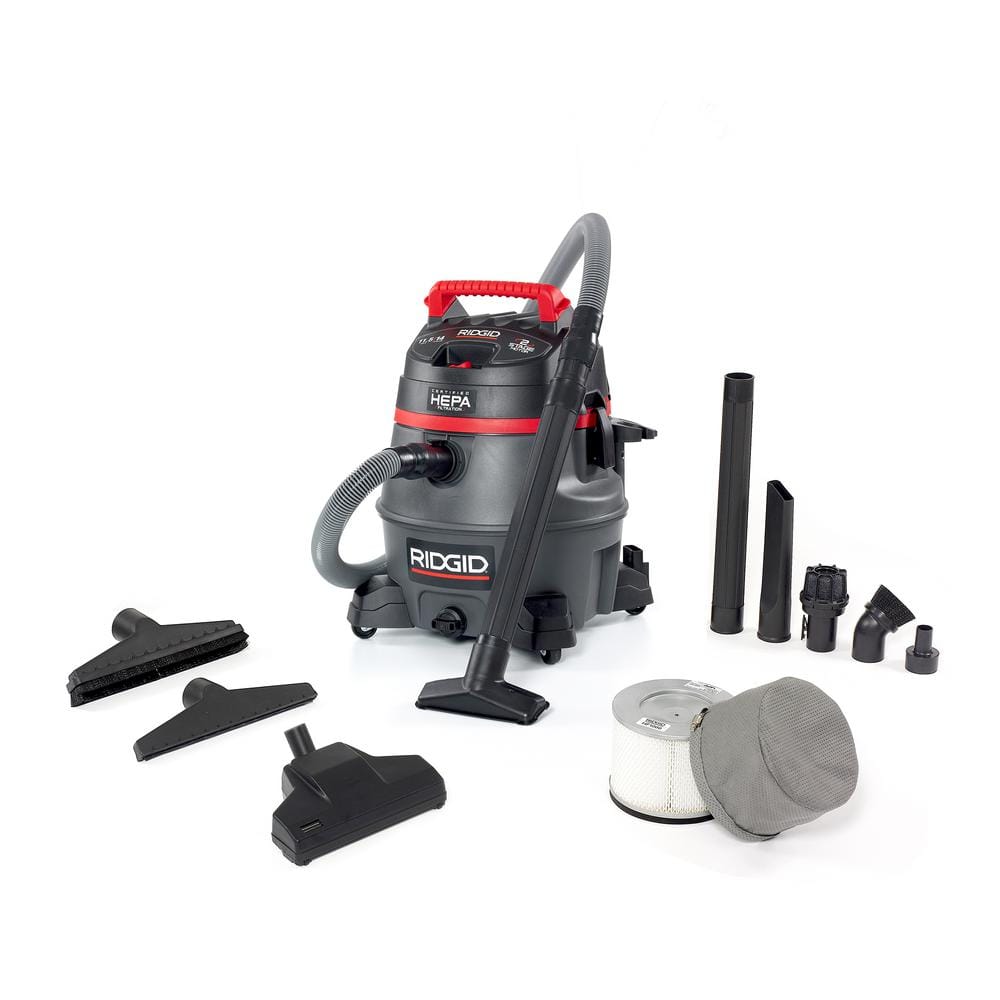
RIDGID RV2400HF certified HEPA wet-dry vacuum with hose, filters and accessories
Core · surface particles

RIDGID certified HEPA vacuum

RV2400HF · sealed commercial HEPA system

A complete, tested HEPA vacuum package with certified filter—not an ordinary shop vacuum fitted with an aftermarket cartridge.

Field instructionReserve this wet/dry-rated unit for dry soot collection. For fine dry dust, use HF1000 HEPA + HF0500 prefilter + VF3502 bag. For liquid pickup the bag must come out, and for large volumes all filters may come out—at which point it no longer meets EPA RRP dry-pickup requirements. Dry filters completely before dry reuse.

Application and measurement

Verify the delivered coating's requirements against the selected equipment before spraying the structure.

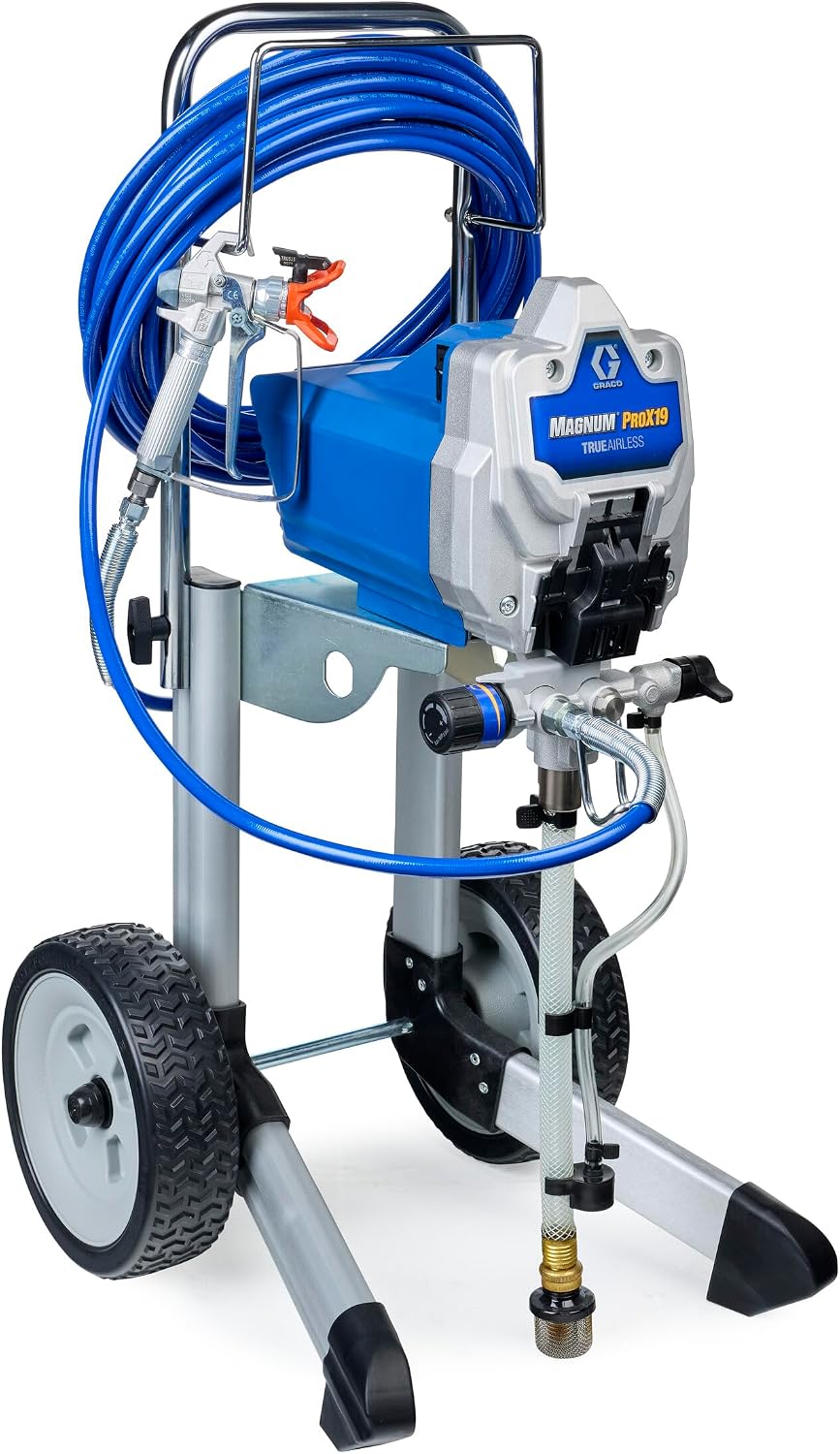
Graco Magnum ProX19 airless paint sprayer on wheeled cart
Core for spray application

Graco Magnum ProX19

3,000 PSI · maximum .019 tip

Its pressure and tip capacity fall within ULTRA RECON's .015–.021 / 2,000–3,000 PSI specification. Renting a larger professional sprayer is reasonable for a one-time whole-house job.

Field instructionUse a .017–.019 tip within the ProX19's .019 maximum; strain previously opened coating. Ground the sprayer, ventilate and control overspray. Lock the trigger and complete Graco's pressure-relief procedure before clearing a tip, cleaning or service. Never place a hand near a pressurized tip or add material to force an undersized sprayer to work.
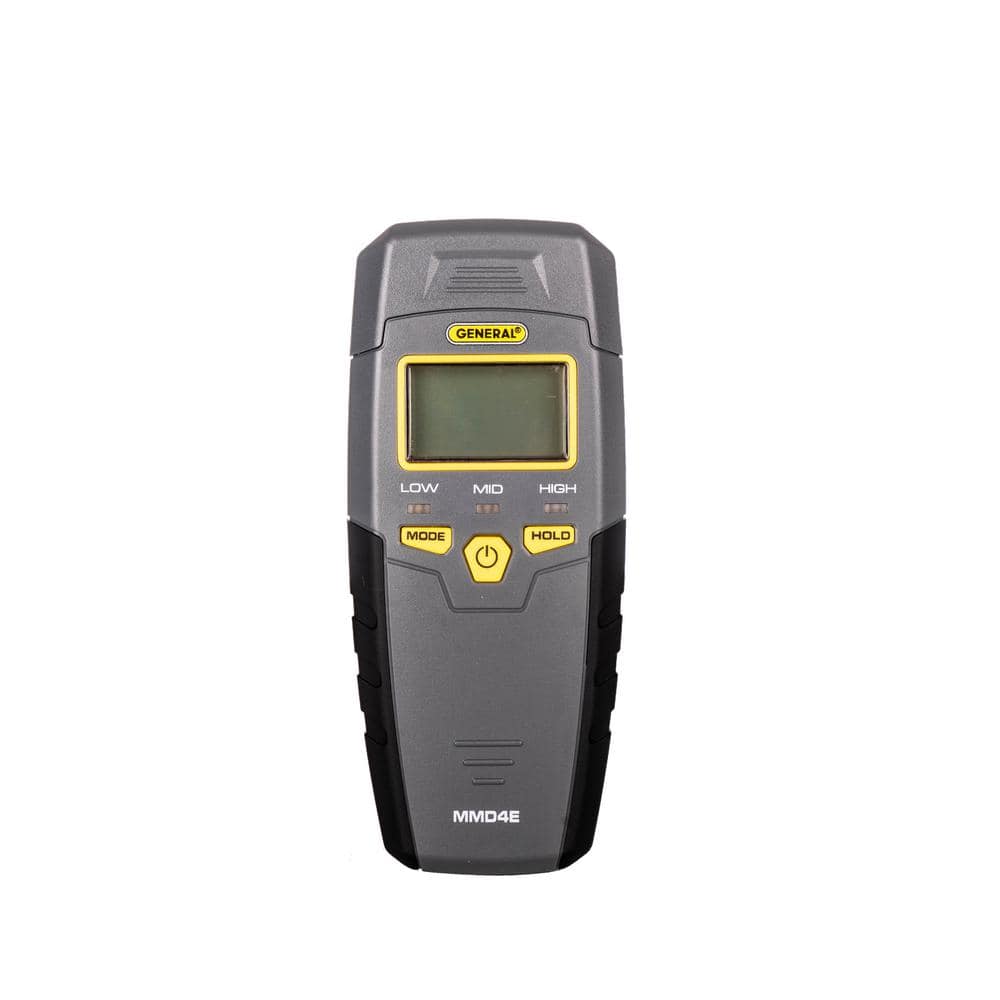
General Tools MMD4E pin-type digital moisture meter
Core · release measurement

General Tools pin moisture meter

MMD4E

Pin-type meter for direct percentage readings in framing. This is the instrument that proves the ≤15% coating gate.

Field instructionBefore relying on it, use the cap's calibration holes: wood mode should read 18.3% ±1%. Then carefully press both pins into representative framing, use HOLD if needed, and log the exact member/location and displayed percentage. Do not force the pins.
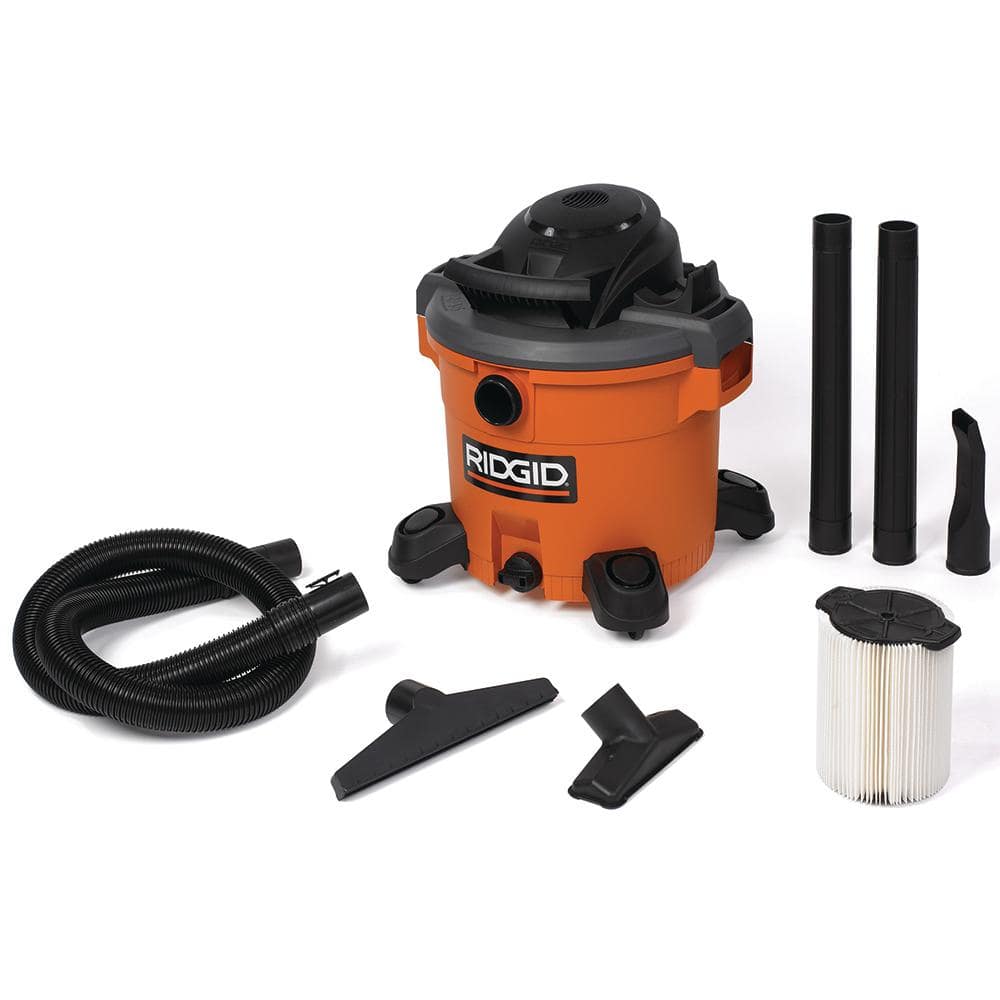
RIDGID WD1270 12-gallon wet-dry vacuum with hose, filter and accessories
Core · liquid recovery

Separate wet-recovery vacuum

RIDGID WD1270 or comparable wet-rated unit

Used only to recover cleaning and rinse solution. Keeping wet recovery separate protects the dry HEPA collection system.

Field instructionFor small liquid pickup the filter may remain; for large volumes remove it or it may saturate and mist from the exhaust. Stop when the float cuts airflow, empty the drum and dry the filter before dry use. Dispose of recovered solution by label and local rules—never into a storm drain.

PPE and containment

Respirator cartridges are selected from the hazard assessment and SDS—not because a package says “multi-purpose.”

3M 65023QL Quick Latch respirator kit with 60923 OV AG P100 cartridges
Core · fitted protection

3M Quick Latch OV/AG/P100 kit

65023QL medium + 60923 cartridges

Combination particulate and certain vapor/gas protection. The correct size, cartridge and change schedule must come from the hazard assessment and safety sheets.

Field instructionEmployee use requires OSHA medical clearance, fit testing, training and a written program; facial hair cannot cross the seal. Perform a user seal check before every entry. Never use in oxygen-deficient, unknown-concentration or IDLH air. Establish a cartridge change schedule; replace P100 elements when damaged, soiled or breathing resistance rises.
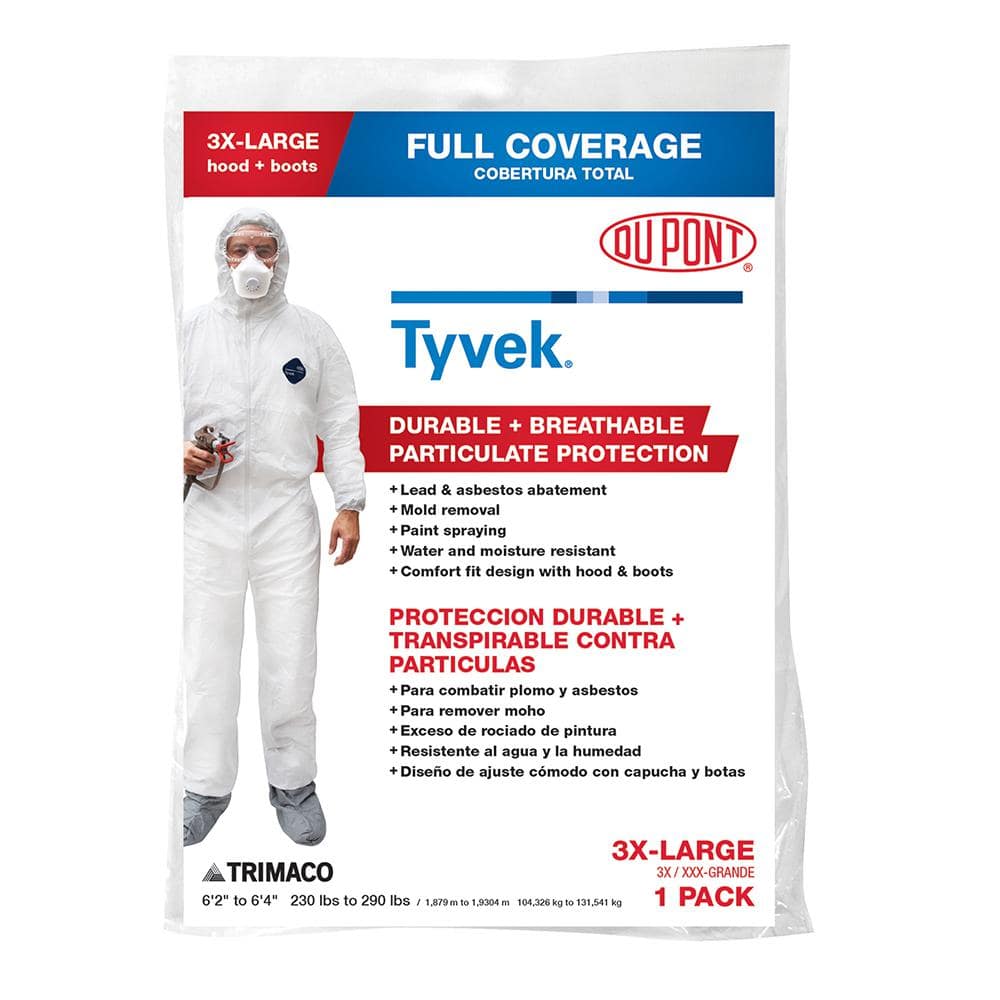
Packaged DuPont Tyvek 400 disposable protective coverall with hood and boots
Core · skin and eye barrier

Coveralls, gloves and splash goggles

Select sizes and glove material from the SDS

Hooded disposable coveralls, chemical splash goggles, suitable chemical-resistant gloves, washable boots and hard hats where overhead hazards remain.

Field instructionConfirm garment, seam and glove compatibility for the actual hazards. Tyvek 400 is not for conditions where liquid is dripping/running or the garment becomes wet, and it can burn or melt—keep it away from heat, flame and sparks. Stop if torn or punctured. Doff in a clean area and bag disposable PPE.
ZipWall ZDS adhesive zipper dust-barrier door kit with zipper, tape and flap hooks
Core · work-zone control

Poly, zipper doors, tape and ducting

Flame-retardant material where required by the site/AHJ

Containment sheeting, compatible tape, zipper access, lay-flat exhaust duct, floor protection and warning signage. The linked ZDS is a preassembled 4-mil door panel—not a pair of loose stick-on zippers.

Field instructionThe ZDS fits a doorway up to 3.5 ft × 7 ft and attaches to the frame with its supplied two-sided tape. Test finished surfaces first. Seal without covering hazards or required exits, maintain negative pressure and inspect containment at the start and end of every shift.

Conditional only

Do not buy or apply these automatically. The observed residue or written scope must justify them.

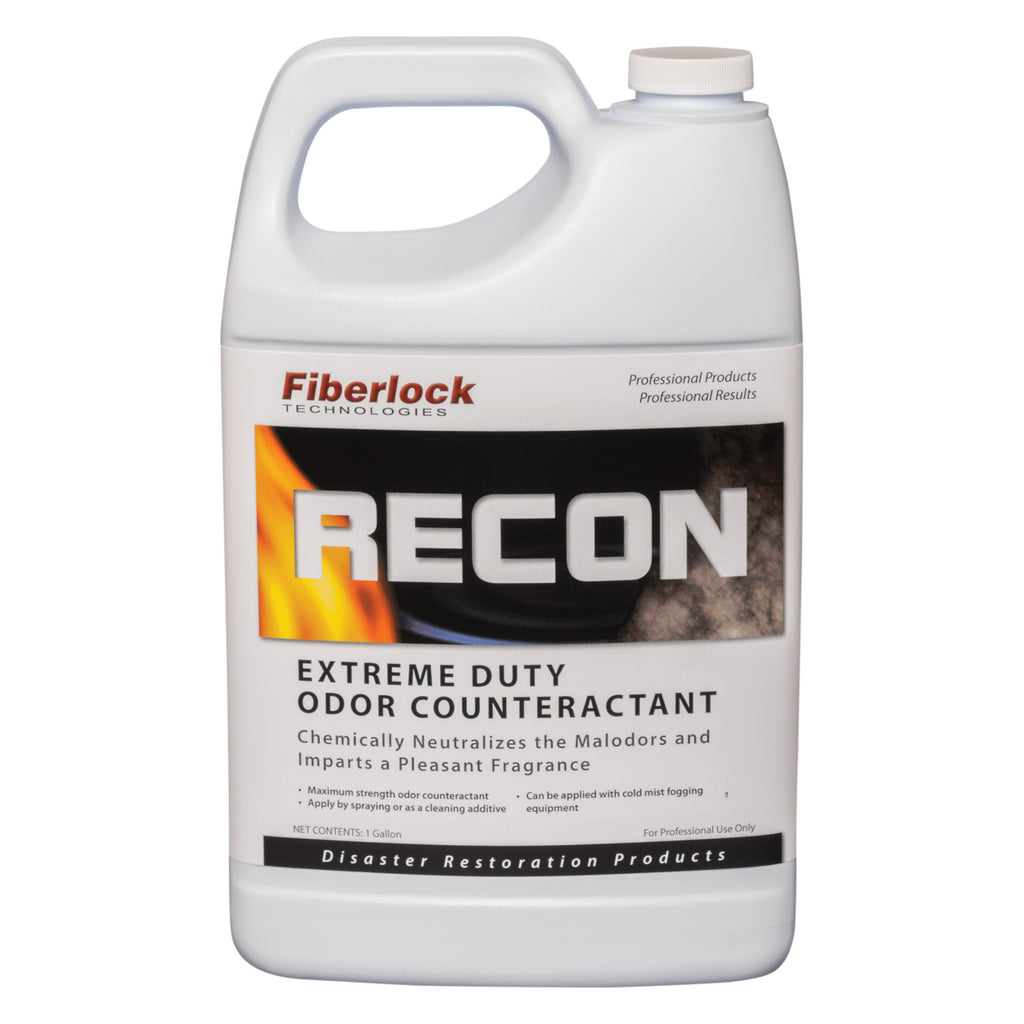
One-gallon bottle of Fiberlock RECON Extreme Duty Odor Counteractant 3041
Conditional · odor remains

RECON Extreme Duty Odor Counteractant

SKU 3041 · fragranced

Fiberlock's optional middle stage after cleaning and before sealing. It adds fragrance and must not be used to mask incomplete soot removal.

Use only whenClean, dry wood still has documented smoke odor, the owner accepts fragrance, and the written scope authorizes it. For smoke odor, the PDS directs spraying the previously cleaned washable surface thoroughly with undiluted product. Use chemical gloves and eye protection; avoid breathing concentrated vapor or mist.
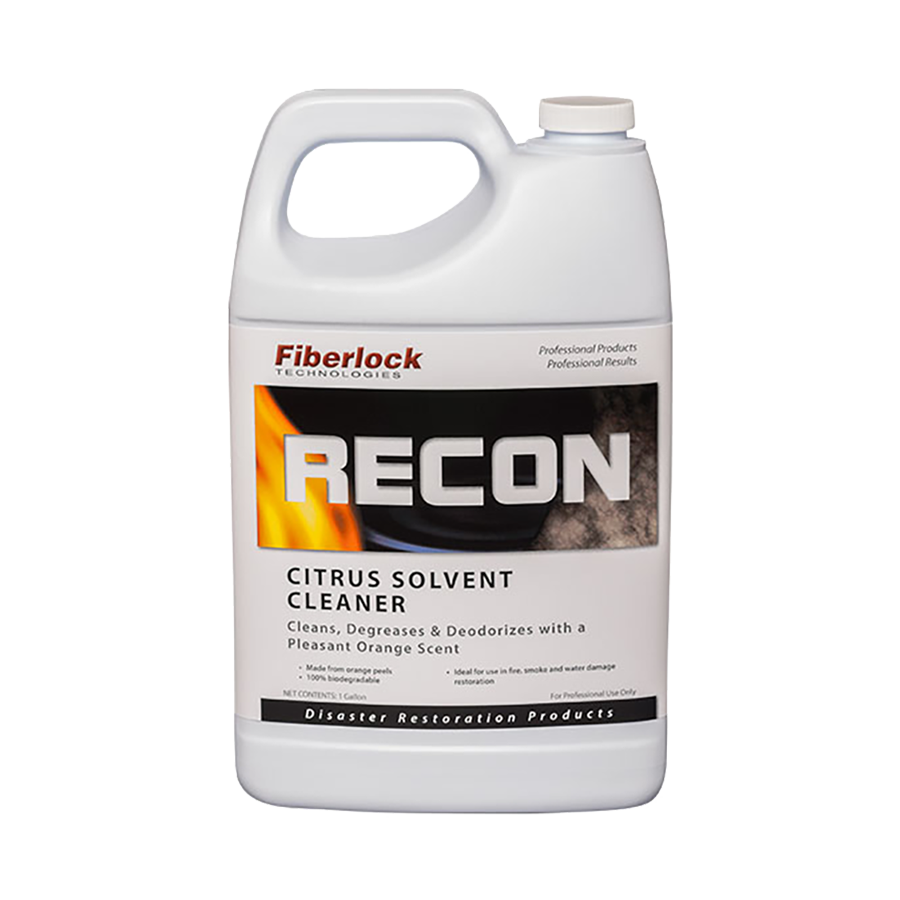
One-gallon bottle of Fiberlock RECON Citrus Solvent Cleaner and Degreaser 3022
Conditional · sticky polymer residue

RECON Citrus Solvent Cleaner

SKU 3022

Specialty cleaner for sticky, oily or resinous deposits associated with burned plastics and polymers—not a whole-house default.

Use only whenA test patch confirms 3027 will not remove the deposit. Pretest plastics. For heavy industrial cleaning, the PDS specifies 6 fl oz concentrate per gallon of warm water, at least 5 minutes' dwell, thorough scrubbing and a clean-water rinse. Use ventilation, gloves and goggles; eliminate heat, sparks, flame and smoking.
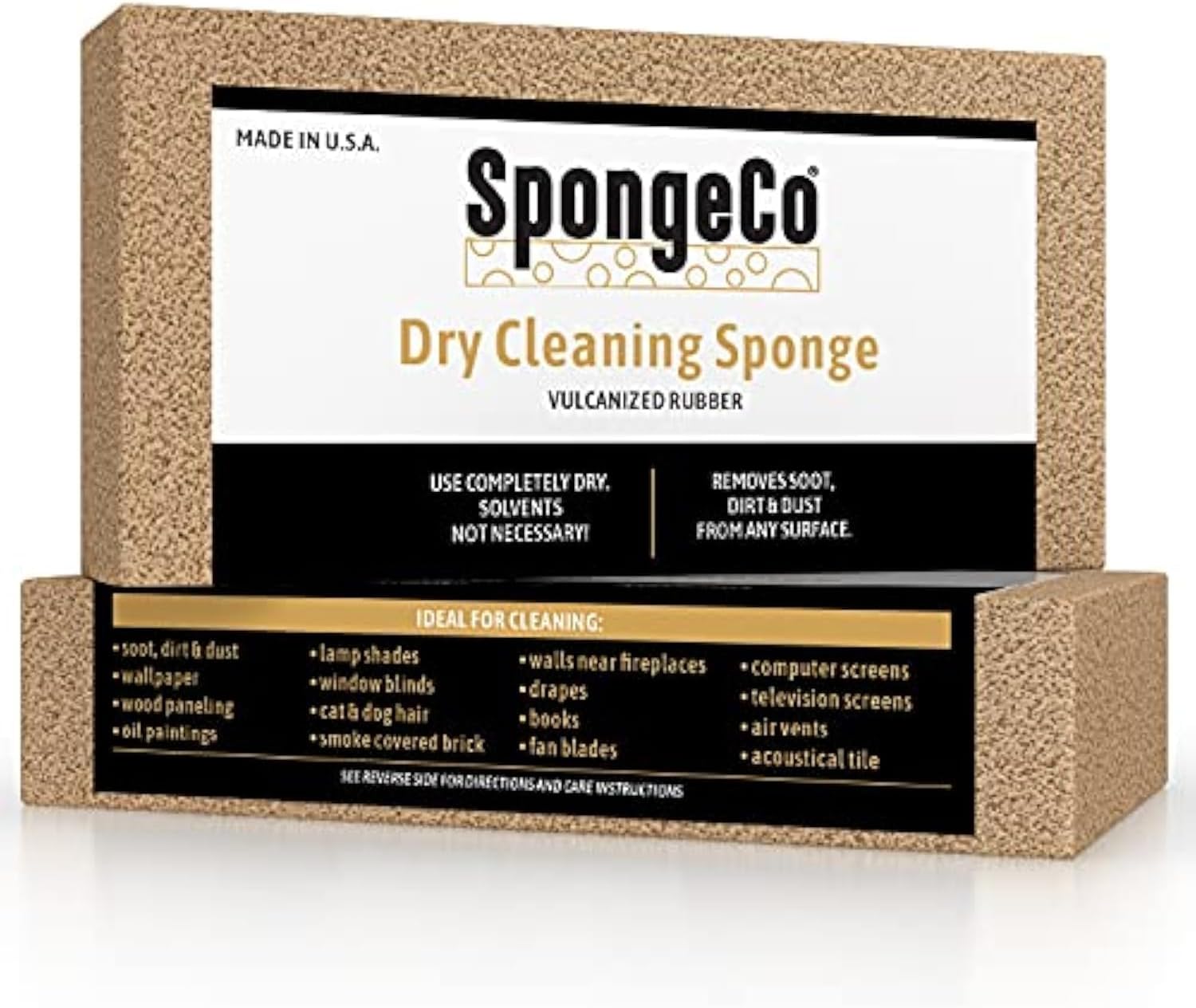
SpongeCo dry-cleaning soot-removal sponges in a 36-pack
Optional · smooth details

Dry soot-removal sponges

Absorene/Brightline type · case of 36

Useful on smooth, dry detail surfaces before liquid cleaning. Rough studs, rafters and joists will tear and exhaust them quickly.

Field instructionWipe with the sponge dry—do not wet it or add chemical. Expose a fresh face as it loads. Use only on dry, smooth detail surfaces and stop if it tears rapidly or smears an oily deposit.
Closeout package

What proves the work.

A good restoration file shows what was present, what was removed, which products were applied, whether the wood was dry enough, and who approved concealment.

Before and during

  • Room/elevation map and dated photographs
  • Structural repair markings and inspection notes
  • Test-patch photographs and selected method
  • Daily containment and filter checks
  • Cleaner name, lot, dilution and areas treated
  • Waste and recovered-liquid disposition

Release and final

  • White-towel wipe-test notes by elevation
  • Pin moisture readings and exact locations
  • Pre-coating inspection/approval
  • Sealer name, lot, gallons, coats and dates
  • Final coverage and odor photographs/notes
  • Adjuster, engineer, code and owner closeout records